

 By
By 
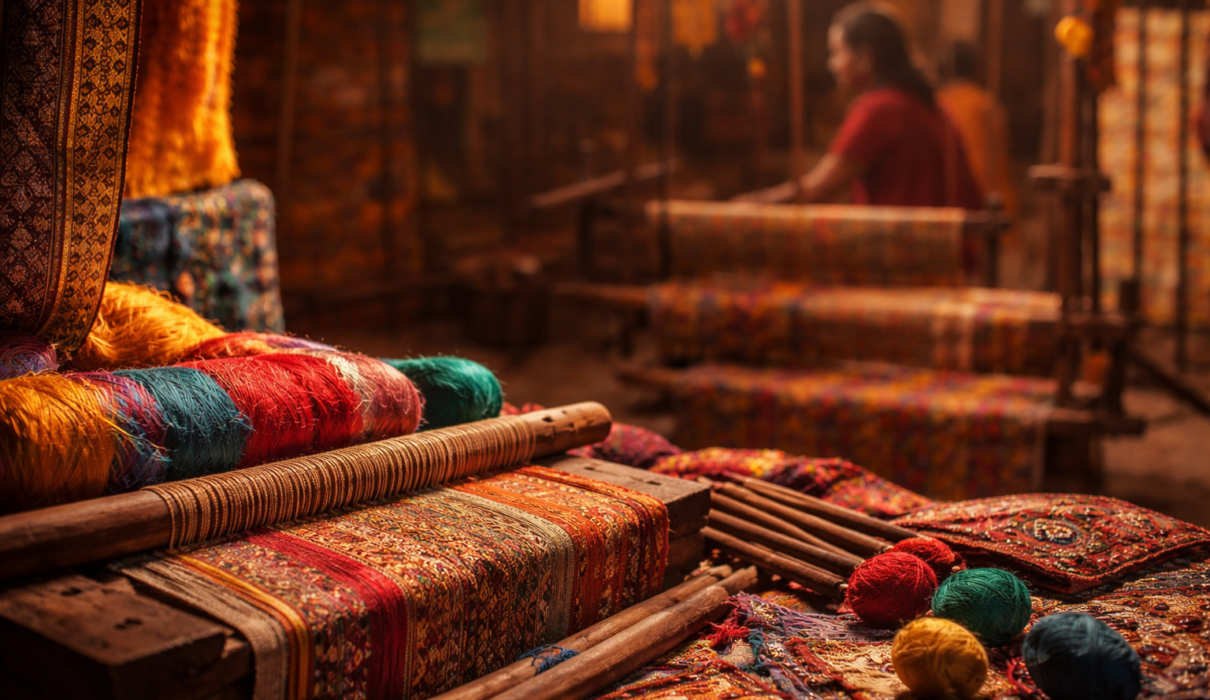
Rajasthan has been recognized for many years as having a rich history related to culture, heritage and textiles. The global textile community regards Rajasthan as being part of the global textile industry and not just for producing fabrics; but also for being involved in the complete story of fabric production through skilled craftsmanship developed over generations by talented artisans who continue to demonstrate their ability to innovate.
The evolution of textiles in Rajasthan is marked by both traditional techniques such as weaving by hand using a loom or printing with wooden blocks as well as the introduction of modern technology to enhance those same processes. By balancing both aspects of production we are able to ensure the longevity of the textile sector in Rajasthan will continue in today’s business world while maintaining its strong cultural roots.
Rajasthan Textile Production in an Evolving Industry
With the evolution of textiles in Rajasthan the textile manufacturing industry has developed new ways of doing things and producing goods, including some processes that have traditionally been compared against others in terms of quality. These improvements in production methods will ensure that textile goods produced by manufacturers are of the highest quality and are able to be exported to all corners of the globe.
Unfortunately, the human element continues to be critical in providing the fabrication of textiles with an originality and uniqueness that set them apart from other textile manufacturers. Consequently, the combination of craftsmanship and technology has enabled Rajasthan’s textile sector to remain competitive on an international level.
The Role of Innovative Fabrics in Today’s Textiles
The increase in consumers looking for new and comfortable material has created a demand for unique fabrics and yarns like modal yarn, which is a soft, durable, and environmentally friendly material made from the beech tree and is commonly used to manufacture materials that feel good against the skin and have long-lasting durability.
Textile producers have opportunities for product creation that fulfills contemporary standards and make efforts towards sustainability as a result of new fiber innovations such as modal. Textile producers can easily demonstrate this new method of production by assessing how well the textile sector responds to eco-friendly initiatives as well as modern consumer demands.
Collaborative Touchpoints Between Multiple Baselines / Global Influence
The current level of connection within the textile Industry is unprecedented and production standards are increasingly being influenced by global collaboration and competition. For example, the way in which prominent names within the textile industry (e.g., american silk mills)
are utilizing international best practices as a source of inspiration for continued innovation and quality enhancement, has become common across the globe.
Textile companies from around the world continue to share ideas about how to stay ahead of the curve by adopting and implementing the best practices generated by their competition. This flow of knowledge between manufacturers within the textile industry will allow manufacturers based in India to offer higher quality textiles, improved designs, and improved productivity; thereby competing at an increasingly higher level with textile manufacturers globally.
An Innovative Approach to Textile Manufacturing
Today, digital technology has revolutionized the operation of textile manufacturers .Organizations like Sutlej Textiles and Industries Ltd. are creating a full value chain to produce textiles from the initial raw materials to the final product is not the only thing they do; textile manufacturers also want to innovate by combining new technology with traditional techniques and are producing sustainable, high-quality textiles consistently through advanced technologies and adherence to production quality standards.
By combining new technology and traditional techniques, these companies create a full value chain that produces sustainable, high-quality textiles, following strict production quality standards through advanced technology. This will provide continued contributions towards the continued development of the textile industry. They demonstrate a solid commitment to expanding their respective industries over the long haul as well as providing excellent quality products.
Wrap Up
The textile manufacturing industry in Rajasthan has a rich heritage of combining culture, modernity, and international influences. It has progressed from hand-made heritage craftsmanship to technologically advanced production techniques through traditional craftsmanship and recent technological advances. In addition to this, it has progressed through the use of superior materials, improvement in production processes, and a strong emphasis on the delivery of quality goods.
As organizations continue to implement change, innovate, and adapt, the textile industry will remain one of the most important contributors to the global economy and continue to preserve the rich cultural heritage of the industry.