
 By
By 
Fashion is evolving at an unprecedented rate, but the key shift that is occurring within fashion is in respect to fabrics. In 2026, material will be about more than just its physical aesthetic qualities; it will also have a large focus on sustainability, comfort, innovation, and smart performance.
The textile industry is transitioning into an era filled with environmentally friendly fabrics and intelligent or smart textiles. This means that numerous changes will take place in regards to new trends in fabric for the year of 2026.
Sustainable Fabrics Will Be Standard, Not Optional, for Consumers in 2026
Simply put, sustainability will no longer be viewed as a “trend” (as it is today) in 2026; it will be viewed as a standard expectation for all. As we know, consumers are now aware of their impact on the environment. Currently, many brands develop and offer sustainable products made with sustainable materials. For example; organic cotton, recycled polyester, bamboo blends/ fabrics, plant based fibers, and low water content in production processes.
Consumers want to shop for fabrics that not only look good and feel good, but that also contribute positively to our planet. More specifically, consumers will be looking at a brand’s transparency in sourcing, as well as their ethical production processes.Sustainable fabrics are no longer a “niche” category of products; they are becoming the new foundation of the textile industry.
There Will Be Increased Focus on Smart Fabrics & Performance Textiles
Technology is now blending with textiles in ways we have never seen before.
As we move forward into 2026 there is an increasing number of new smart fabrics entering the consumer market for clothing. Examples include:
- Everyday wear that is moisture-wicking
- Everyday wear that has been treated with an anti-bacterial finish
- Fabrics with UV protection
- Fabrics that are temperature regulating
- Fabrics used in performance clothing with added stretch
Comfort has now been engineered into most items of clothing; the consumer will expect clothing that can adapt to their daily routines (i.e. breathable for hot weather and flexible).
Soft Luxurious Material: Comfy Replaces Premium Quality
Stiff fabrics that have been traditionally used to construct clothing styles are becoming less popular. Instead, clients prefer to purchase:
- Ultra-lightweight satin blends
- Different types of premium cotton
- Textured/modal and viscose specialty fabrics
- Fabrics with soft touch/textured designs
The demand is very clear: The soft/ fluid drape of soft luxurious styles/silhouettes with smooth softness and natural body movement. Luxury in 2026 will be measured by the touch of the fabric instead of the look of the fabric.
Natural Textures and Raw Fabrics Finishes
There is an increasing demand for authentic products. The trending items are:
- Natural texture woven product
- Linen inspired textures
- Naturally raw/even material product
The idea of perfection no longer defines standards; being “Natural” represents the current standard of quality for most products.
- Fashion creative professionals are excited by:
- Irregular woven styles
- Earth-tones
- Matte textured materials
- Fashion fabrics that appear to have been handmade, etc.
Humans crave connection between themselves/others and items they wear/use as part of their everyday lifestyles; therefore, items made from non-perfect materials that provide a strong personality feel more real and personal.
Bold Color and Statement Fabrics
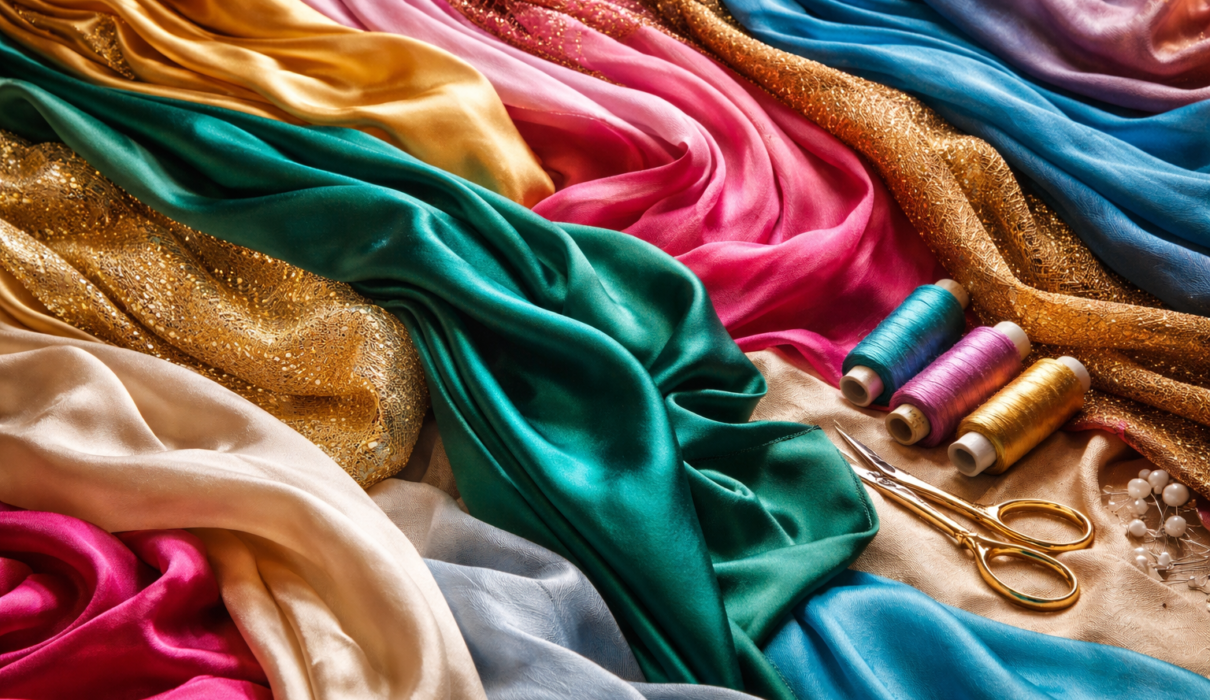
There continues to be a strong trend of minimalistic design styles; however, there will be continued popularity of bolder, more distinct statement-making fabric styles in the fashion designed market during the 2026 fashion season. Expect to see:
- Rich jewel-colored tones
- Deep red or deep green colored tones
- Electric color blue selected from the blue spectrum (i.e. bright sky blue, light blue, etc. as noted)
- Expect new fabric trends to feature modern metallic’s or metallic-type threads.
Fabrics will play a major role in the overall presentation of an outfit versus being an accessory to an outfit.
Transparency and Education in Fabric
A major development in consumer knowledge will emerge in 2026.
Buyers are beginning to ask the following questions:
- What type of fabric is it?
- What is the lifespan of the fabric?
- Is the fabric acceptable for export?
- How is the fabric to be maintained?
Buyers are starting to educate themselves on how to read fabric prior to purchase making quality a significant consideration over name-brand recognition.
As this trends goes forward, manufacturers and wholesalers will be under increasing pressure to provide thorough product information, product certifications, and care instructions for their fabrics.
Longer Lifespan vs. Fast Fashion
The precedent for fast fashion is dwindling in that consumers are beginning to prefer:
- Durability of the selected fabric
- Retaining vibrancy of fabric colour
- Retaining the shape of fabric after being worn
- Minimal time consumed to clean fabric
- Buying better versus just buying more will be the theme of 2026.
Certain fabrics will build trust because the fabric will not only maintain its shape and structure but also continue to be a soft comfortable product throughout time.
Conclusion
The textile industry will be “smarter”, softer” and have “more responsibility” in 2026.Fabric is more than just the base upon which workmanship is to be applied; it is the base of innovation, the base of sustainability, the base of comfort, and the base of long-term value.
Most importantly, the largest change that will occur is that people will choose fabric first, design second; no matter who you are (buyer, retailer, designer, or fashionista), knowledge of fabric trends will give you a competitive edge in fashion today because great fashion no longer begins with fashion itself; it begins with fabric.