
 By
By We’ve all had this experience: come across a beautiful piece of fabric online or in-store, with a perfect match to your style and budget, only to find that when you bring it home, there’s some disconnect between the way the fabric looked and the way it feels after one wash, or how it feels against your skin, etc.
When buying fabric, there’s more to consider than just the colour. You need to also consider the feel and longevity of the fabric, too! Whether you’re making a dress, cover for a sofa, or just purchasing new sheets for your bedroom, before spending any money, remember these three tips!
The “Feel” and Breathability (Touch it!)
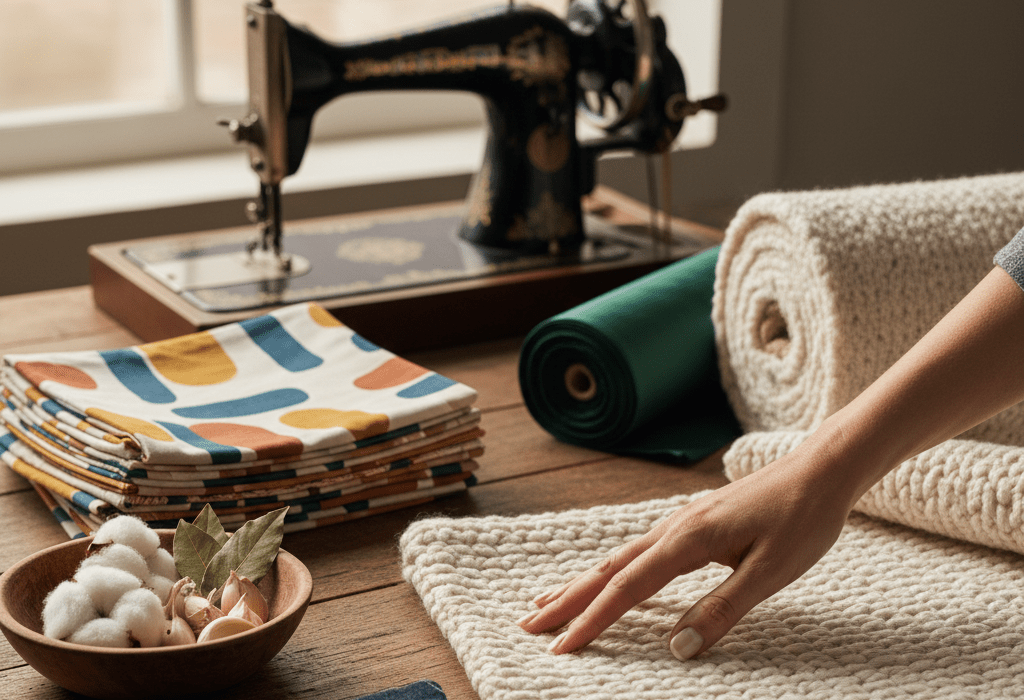
The texture of a fabric is more important than anything else. For example, while shopping in-store, gently rub the fabric between your fingers to determine what it feels like to your touch. Is it soft and smooth or does it have a “plastic” feel versus a natural feel?
Natural Fibre Fabrics (e.g., Cotton/Linen/Silk) are known for being breathable. They allow for air circulation so you won’t feel hot, sweaty, or constricted by a lack of airflow while wearing the fabric.
Synthetic Fiber Fabrics (e.g., Polyester/Nylon) are very durable but tend to be poor at letting the body to “breathe” as compared to natural Fiber Fabrics. If you live in a warm climate, you may find that wearing a shirt made of 100% polyester resembles wearing a plastic garbage bag!
Weight and “Flow” (How the fabric moves)
If you’ve ever purchased fabric to make a flowing dress, only to have it turn out like a stiff cardboard box, it’s most likely due to the weight of the fabric.
Fabric weight is measured primarily by GSM (grams per square meter) in the fabric industry. You do not need to be an expert in math; however, it is essential to remember:
Low GSM (lightweight): scarves, summer tops, and sheer curtains.
High GSM (heavyweight): pants, jackets, and upholstery (sofa/chair).
Before purchasing fabric, you should ask yourself: Will the end result be flowing or stiff? If you are creating a flowing skirt, you should select a lightweight fabric such as Rayon or Georgette. If you are creating a strong tote bag, you should select heavier weight Canvas.
Colour Fastness and Shrinkage (Will it last?)
There is nothing worse than a red shirt being completely ruined by becoming a pale pink after one wash … and ruining all of the clothes that were washed with it!
The Dye Test: When you are shopping, take a white, damp cloth and rub it on the corner of the fabric. If the dye comes off onto the cloth, the dye is “bleeding” from the fabric and will quickly fade.
The Shrinkage Factor: Cotton and wool are natural fabrics and will shrink. Always check if the cotton or wool has been “pre-shrunk”. If it has not, always buy an additional 10-15% so you will not end up with a garment that is too small after washing.
Final Thoughts
Purchasing fabric shouldn’t feel like a gamble; by testing for feel, weight and dye quality, you can avoid future problems (both monetary and emotional). Good quality fabric is an investment. Although it may be higher priced today, you’ll enjoy its aesthetic appeal and comfort for years to come.