
 By
By 
By the year 2026, the fabric of fashion will be contingent upon its ability to offer all four of the following: sustainability,
technology, comfort and innovation instead of being judged on colour and design alone as changes speed up in the fashion industry. There will be much more that customers will expect of companies with which they conduct their businesses.
Top 10 Textile Trends for 2026
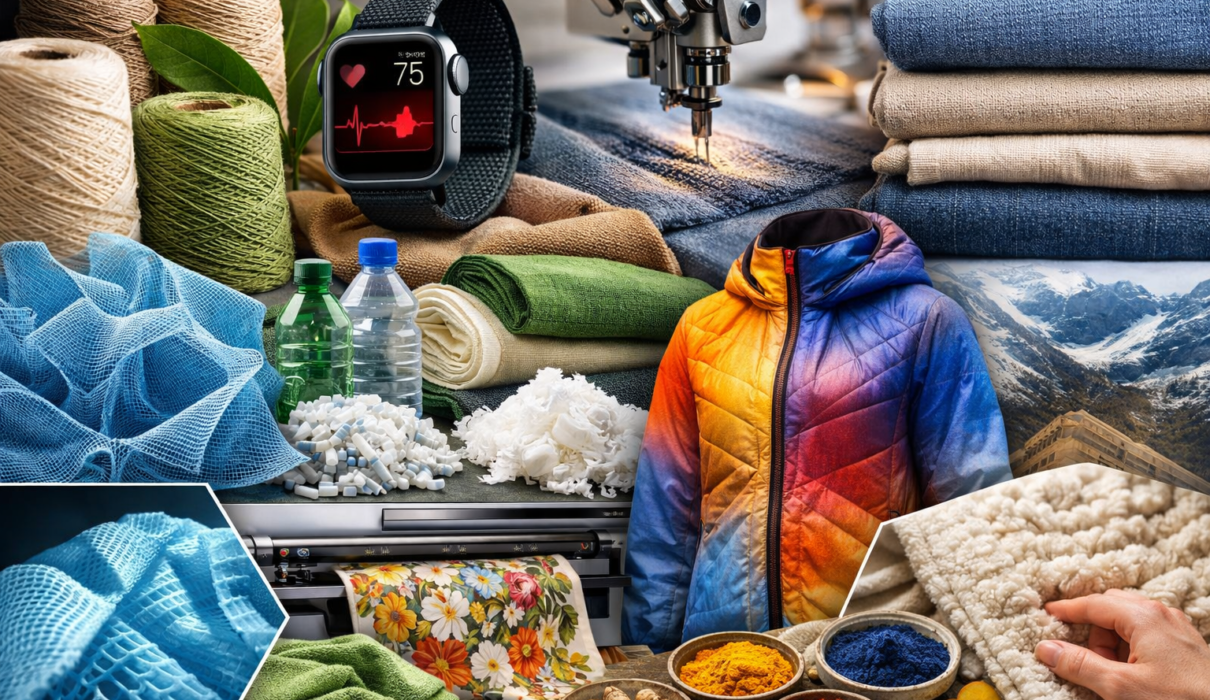
For any person with a fashion brand or textile industry, top 10 textile trends will hit your business in 2026 are as follows:
1.) Sustainable and Eco-Friendly Fabrics
Sustainability is no longer a ‘nice to have’; it has become a necessity. Nowadays, ecological sustainability is no longer considered “a nice to have,” but instead as “a necessity,” because of the evolving mindset surrounding consumer usage of organic and/or recycled and/or biodegradable textiles. As well, some textiles made from organic cotton, bamboo, hemp and recycled polyester have shown increasing demand over time. By utilizing ecologically-conscious fabric choices, brands achieve two important functions. Not only does eco-friendly textiles benefit the planet, but also create trust with today’s record number of educated consumers.
2.) Smart Textiles And Wearable Technology
The reach of technological advancement has penetrated into the field of garment. Smart textiles that fuse technology in the manufacturing process will monitor health, control temperatures, or charge gadgets. There will also be an expansion of textiles product categories that employ technological attributes into 2026. Therefore, with the onset of smart textiles, there are unlimited opportunities in the fashion and textile market place, from athletic apparel, everyday fashion to the medical apparels.
3. Use of Recycled & Circular Fashion Materials
As defined in its most basic form, Circular Fashion refers to fabrics developed to be reused, recycled or repurposed with no disposal involved. Brands are now converting apparel waste and plastic products into textiles to conserve resources and reduce the pollution caused by textile production.
4. Chemical Free and Natural Dyes
Consumers are increasingly expressing concern about the healthful wearability and comfort of clothing; using fabric dyed with natural products from plants or minerals has become a new trend for producing these kinds of products. As a result of consumer demand, textile manufacturers have made great strides in reducing the amount of chemicals used in fabric processes so they can provide purchasers with merchandise that is healthy and environmentally friendly..
5. High Performance, Lightweight & Breathable Fabrics
By 2026, comfort in apparel will be at an all-time high due to the large number of consumers seeking high-quality, stretchable, breathable, and lightweight textiles for everyday and athleisure-type clothing. Performance fabrics that leak out moisture & resist odour will be highly requested by both athletes and non-athletes alike.
6. Advanced manufacturing techniques such as 3D knitting.
The advancements in technology are creating efficiencies in the way products are manufactured, as the introduction of 3D knitting technology enables brands to create garments with virtually no waste, while creating the perfect fit to each consumer. 3D knitting also streamlines the overall production process, making it a truly sustainable and efficient option.
7. Translucent Supply Chain
Customers of today are concerned about where their clothing comes from. As such, many textile companies are placing greater emphasis on ethical sourcing of materials as well as the establishment of a transparent supply chain. By communicating and demonstrating the path that fabric takes from its raw state to an engineered product, companies are enhancing their overall brand credibility.
8. Texture Rich
The developing fashion world of 2026 will include not just a vision of an item but also an experience for the consumer. Textured items such as knits with ribbing patterns, multiple layers of fabrics, quilted materials, and soft finishes will be in high demand. Designers will use the senses of touch and feel to elevate their respective brand(s) to the next level of category and class.
9. Digital Textile Printing
Digital print will replace the traditional process in many areas and provide not only more detail but also shorter timeframes and greatly reduced water usage than traditional printing. Customization will be made much easier, giving brands the ability to offer limited quantity runs, and creating unique one-of-a-kind items for consumers.
10. Climate Responsive
Climate change is affecting all areas and textiles are no exception. There are now climate responsive fabrics on the market that will keep the body at a comfortable temperature, either cool in hot weather or warm in cold weather. This type of product is becoming essential in the categories of winter gear and travel apparel.
Conclusion
Innovation, sustainability and the consumer – are all key components driving growth in the textile industry in the future (2026). The ability for fashion brands to embrace supply chain and textile industry trends will determine their competitiveness and future success. In order to remain competitive in the fast-changing world of fashion; stay abreast of textile industry advancements and trends by concentrating your organisation’s goals on smart-fabrics, sustainable practices and new technologies associated with textiles.